Ultimate Mold Testing Guide: Quick Steps & Tips
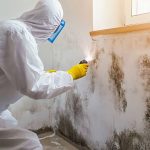
Mold testing is a critical process in maintaining a healthy indoor environment, as mold growth can lead to various health issues and structural damage. Understanding the necessity of mold testing is essential for homeowners, renters, and property managers alike. By identifying the presence of mold early, individuals can take appropriate measures to mitigate risks, improve air quality, and protect their properties from costly repairs.
This article will delve into the different methods of mold testing, the potential health impacts of mold exposure, and the best practices for mold remediation. Whether you’re dealing with a suspected mold problem or are simply looking to stay informed, knowing when and how to conduct mold testing can empower you to ensure a safe and healthy living space.
Methods of Mold Testing
There are several methods utilized for mold testing, each with its advantages and specific applications. Air sampling is one of the most common methods, where air samples are collected from the indoor environment and analyzed for the presence of mold spores. Surface sampling involves taking samples from materials like walls, floors, or furnishings to detect mold colonies. Additionally, bulk sampling can be performed by removing sections of materials suspected to harbor mold. Professionals often recommend comprehensive mold inspections that combine these techniques for accurate assessment. For those in need of expert evaluation, services like mold testing Los Angeles can provide detailed insights into any mold issues present in your home.
Health Impacts of Mold Exposure
Exposure to mold can have a range of health consequences, particularly for individuals with pre-existing respiratory conditions, allergies, or weakened immune systems. Symptoms may vary from mild respiratory issues like coughing and sneezing to more severe reactions such as asthma attacks or chronic sinusitis. Long-term exposure can lead to more serious health conditions, including pulmonary infections or toxic reactions. Understanding these risks emphasizes the importance of regular mold testing, especially in areas prone to dampness or water intrusion, to ensure a safe and healthy living environment.
In conclusion, mold testing serves as a fundamental preventive measure in safeguarding both health and property. By employing various testing methods and recognizing the potential health risks associated with mold exposure, individuals can proactively address issues before they escalate. Whether through air sampling, surface testing, or engaging professional services, timely and thorough mold assessments empower homeowners, renters, and property managers to create a safe, comfortable indoor environment. Prioritizing mold testing not only enhances air quality but also minimizes the risk of structural damage, ultimately leading to a healthier, more sustainable living space for all. Taking action against mold is not just a matter of convenience; it is an essential step towards nurturing a safe haven for ourselves and our loved ones.